
Losing or damaging a tooth can be stressful, and the thought of restoring it often raises questions about how it might affect your daily life. Many patients worry about whether dental crowns will change the way they bite, speak, or even feel in their jaw.
Understanding the effects of crowns and how dentists ensure they fit properly can help you feel confident about your treatment. In this blog, we’ve covered everything you need to learn about crowns if you are planning to receive dental crowns in Brampton.
What Are Dental Crowns and Why Are They Used?
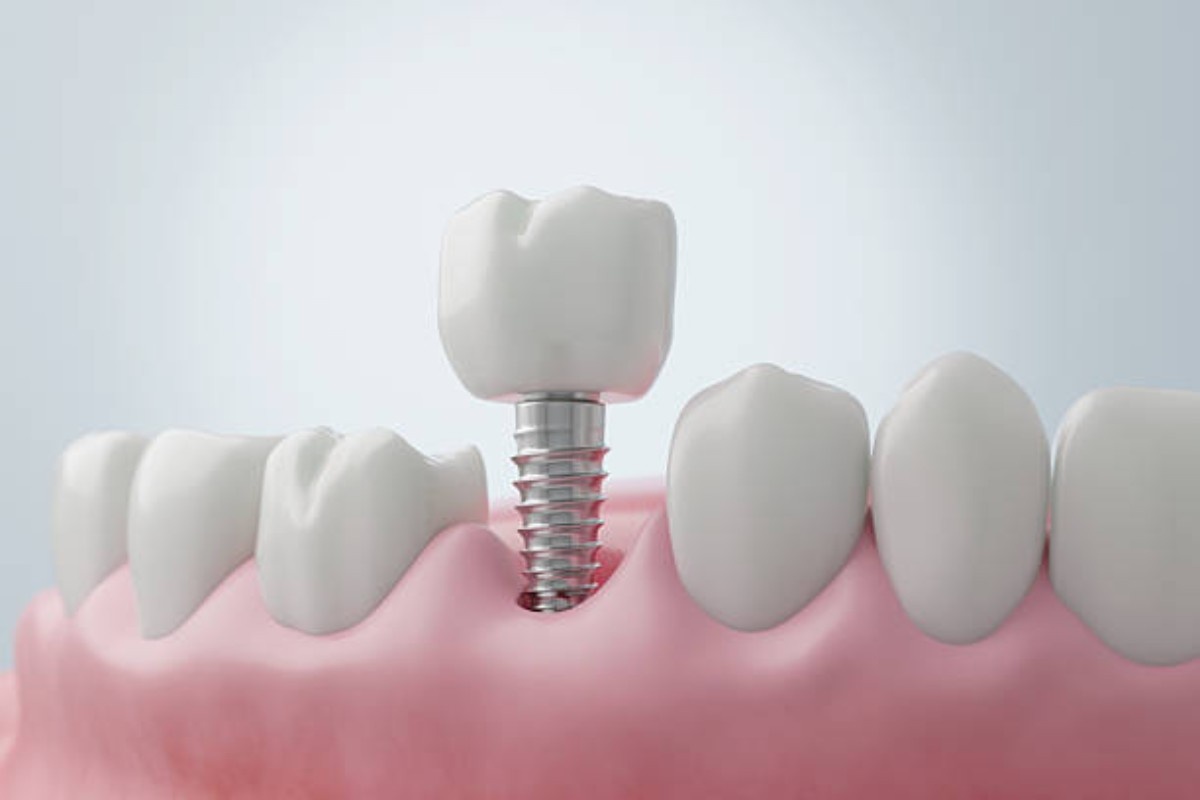
Dental crowns are custom-made caps designed to cover a damaged or weakened tooth. They protect teeth that have severe decay, cracks, or have undergone root canal therapy Crowns restore strength, shape, and function, allowing you to chew and speak normally.
A dentist in Brampton ensures that every crown is designed to match your natural bite and alignment, reducing any risk of discomfort.
Can Dental Crowns Change Your Bite?
Some patients worry that dental crowns can alter their bite. While it is true that a poorly fitted crown can affect how your upper and lower teeth meet, this is very rare.
Dentists carefully measure and adjust crowns during placement to ensure they fit seamlessly with your natural bite. If you experience uneven pressure, your dentist can make small adjustments for optimal comfort.
Do Crowns Affect How You Talk?
Crowns typically do not affect speech once properly fitted. Temporary crowns or newly placed permanent crowns may feel slightly unusual at first. It might take a day or two to get used to speaking normally, especially for crowns on front teeth. A dentist near you will check for any interference with tongue placement or bite, helping you regain clear, natural speech quickly.
Can a Crown Cause Jaw Pain or Discomfort?
Mild discomfort can occur shortly after crown placement as your mouth adjusts. However, ongoing jaw pain or sensitivity is not normal. Causes of discomfort may include high points on the crown or an uneven bite. Visiting a dentist in Brampton promptly ensures that your crown is adjusted correctly, preventing long-term jaw issues or discomfort.
Tips for a Smooth Crown Adjustment
- Avoid hard or sticky foods for a few days after placement.
- Brush and floss carefully around the crown to maintain oral hygiene.
- Pay attention to any changes in bite or speech and report them immediately.
- Attend follow-up appointments to make sure your crown fits correctly.
Following these tips daily will help your crowns last longer and save them from any future complications.
Protect Your Smile with Confidence
Dental crowns are designed to restore your smile without impacting your bite or speech permanently. With professional care from Fletcher’s Creek Dental, most patients adapt quickly and enjoy improved function and appearance, as crowns not only help make your damaged teeth strong but also give you confidence in your smile. If you are experiencing discomfort or want to explore crown options, schedule a consultation with Fletcher’s Creek Dental today. Your perfect bite and clear speech are just an appointment away!
FAQs
How long does it take to adjust to a new crown?
Most patients feel completely comfortable within a few days of placement. Minor adjustments may be needed.
Will my crown look natural?
Yes, crowns are custom-designed to match your natural teeth in shape and colour.
Can crowns wear down over time?
Yes, similar to natural teeth, crowns can wear when you grind or clench your teeth.
How can I prevent jaw pain after getting a crown?
Follow the after-care tips of your dentist, avoid eating hard foods and visit the dentist for follow-up visits.