
What occurs to your jawbone following the loss of a tooth? When a tooth is missing, the pressure that helps keep the bone strong is also lost. As a result, the bone starts to weaken. Most people notice this problem only when changes in the face or bite have developed. Choosing dental implants in Brampton is a highly effective way to maintain jawbone strength after tooth loss.
This blog explains, in clear and simple terms, how dental implants help keep your jawbone healthy over time.
What Happens to the Jawbone After Tooth Loss?
Your jawbone stays strong because it is used every day when you chew. When a tooth is missing, that area of bone stops getting pressure.
Over time, this can lead to:
- Bone thinning
- Changes in face shape
- Weak support for nearby teeth
- Difficulty chewing
Bone loss begins within months of losing a tooth and continues if nothing is replaced.
Why Dental Implants Are Different from Other Options
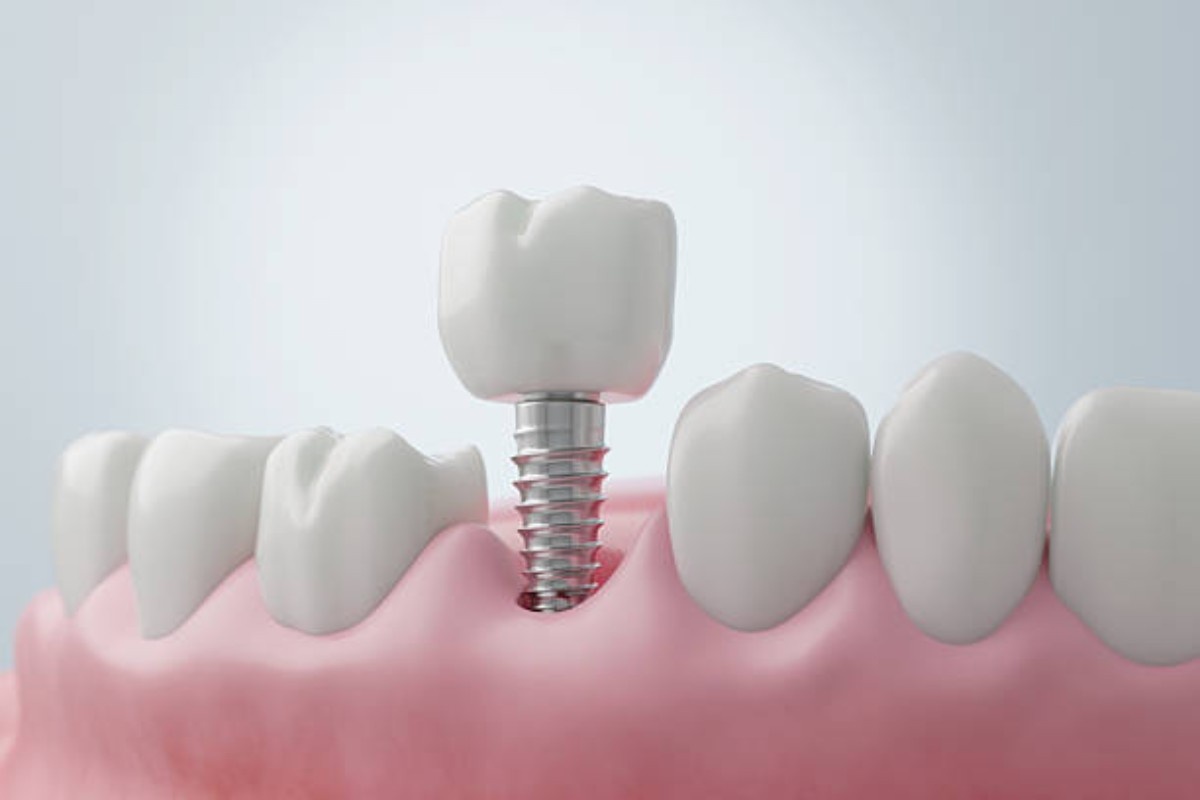
Dental implants are placed directly into the jawbone. Unlike dentures or bridges, implants act like real tooth roots.
This is why jawbone support from implants is much stronger than other tooth replacement options. The implant connects with the bone and keeps it active.
Key difference:
- Dentures sit on the gums.
- Bridges rest on nearby teeth.
- Implants connect to the bone.
Only implants help protect bone structure in the long term.
Do Dental Implants Stop Bone Shrinkage?
The answer is yes, when appropriately placed, implants help prevent bone loss by stimulating the jawbone.
When you chew with an implant:
- Pressure moves through the implant.
- Bone stays active
- Bone loss slows or stops.
Without this stimulation, bone naturally breaks down over time.
How Implants Support the Jawbone Over Time
Understanding how implants integrate with the jawbone over time helps us appreciate their longevity.
Dental implants:
- Fuse with the bone
- Exert constant pressure while chewing.
- Help the bone renew itself
Just like natural teeth, these maintain the jaw’s strength year after year.
Step-by-Step: How Bone Preservation Happens
Here’s how implants help protect bone density over time:
- The implant is placed into the jaw.
- Bone grows around the implant.
- Chewing pressure keeps the bone active.
- Bone stays firm and healthy.
This natural process helps maintain both function and appearance.
Why Bone Density Matters for Facial Shape
Bone loss doesn’t just affect your mouth, it changes how your face looks.
Bone shrinkage can cause:
- Sunken cheeks
- Wrinkles around the mouth
- A collapsed smile
By choosing implants early, patients protect their natural face shape and jaw strength.
Who Can Benefit from Dental Implants?
Most adults with missing teeth can benefit from implants. A dentist in Brampton can assess bone levels and overall oral health to determine whether implants are suitable.
Implants are often ideal for people who:
- Lost teeth due to decay or injury
- Want a long-term solution.
- Have trouble with loose dentures
Early treatment helps preserve more bone.
Why Timing Matters After Tooth Loss
Bone loss starts quickly after a tooth is removed. Waiting too long may require extra steps later.
Benefits of early implant placement:
- Less bone loss
- Easier treatment
- Better long-term results
Visiting a dental clinic you trust soon after tooth loss makes a big difference.
Ready to Preserve Your Natural Bone Structure?
Just as we replace missing teeth, we also protect your jawbone. Dental implants can provide strength, structure, and comfort for years to come with reliable denture support. At Fletcher’s Creek Dental, our team prioritizes our patients’ long-term comfort and oral health. If you want to replace your tooth or teeth permanently, book a consultation today to make your smile stronger and healthier.
FAQs
How do dental implants in Brampton help protect bone?
Dental implants replace missing tooth roots, which are essential for maintaining the jawbone’s health. When you chew, the pressure moves through the implant into the jawbone. This pressure tells the bone to stay active and strong, helping reduce bone loss over time and keeping your jaw stable.
Can a dentist check my bone level before implants?
Yes, a dentist can check your jawbone before starting implant treatment. They use simple X-rays or scans to measure bone strength and thickness. This helps them plan the therapy safely and decide if implants can be placed right away or if extra care is needed first.
Why is choosing the right dental clinic necessary for implants?
Dental implants must be placed carefully to function well over the long term. A skilled dental clinic plans the implant position to ensure it fits the jawbone correctly. Proper placement helps the implant feel natural, support chewing, and lower the risk of problems later.
Why is jawbone support from implants better than dentures?
Dental implants fuse directly with the jawbone like a natural tooth root. It maintains the bone’s active tissues and prevents shrinkage. Dentures rest on your gums, so they don’t press on the bone, meaning your bone continues to erode over time.