Have you noticed tooth sensitivity while eating anything cold, hot, or sweet or while wearing a little dark spot or having a little hole in your teeth? Even though these first signs may seem insignificant, they are possibly an indication of decay which will continue to grow. If you are looking for dental fillings in Brampton, an idea of how this treatment helps in restoring damaged teeth will help you seek care at the right time. A filling is a material used to restore the normal function of a tooth that is decayed or damaged. Fillings protect the tooth from further damage.
When you recognize and treat cavities early on, you can achieve better oral health, while also retaining more of your natural tooth.
What Is a Dental Filling?
A dental filling is a restorative treatment used to repair a tooth that has been damaged by decay or minor wear. During the treatment, the decayed or damaged part of the tooth is carefully removed, and the space is filled with a durable dental material. This helps restore the tooth’s shape, supports normal chewing, and protects the remaining tooth structure from further decay or damage.
How Do Dental Fillings Work?
The treatment is designed to remove the decayed portion of a tooth and replace it with a filling material that protects the remaining healthy tooth structure.
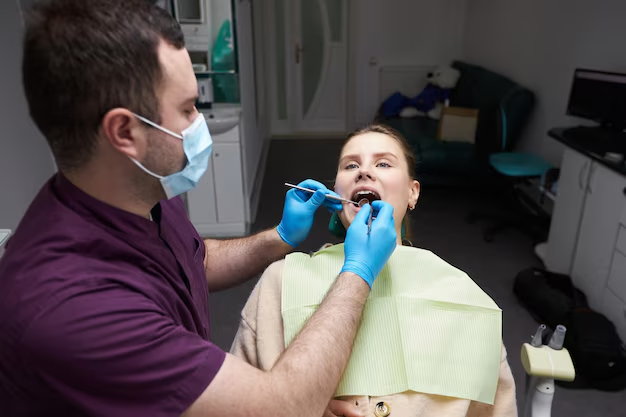
The process usually includes:
- Examining the affected tooth.
- Removing the damaged or decayed area.
- Cleaning the space thoroughly.
- Placing the filling material.
- Shaping and polishing the filling so it fits comfortably with your bite.
Once completed, the filling helps restore the tooth so it can continue to function normally.
Why Is It Important to Treat Cavities Early?
Small cavities often do not cause pain or other symptoms, so they can be easy to miss. But if they are not treated, the decay can spread deeper into the tooth.
Treating a cavity early can help:
- Save more of your natural tooth.
- Stop the cavity from getting bigger.
- Lower the risk of infection.
- Help you avoid more complex dental treatment.
- Keep your teeth working well for chewing.
Treating a cavity early is usually easier than waiting until the tooth is more damaged.
What Are the Signs You May Need a Dental Filling?
Recognizing the signs you may need a dental filling can help you seek care before the problem becomes more serious.
Common signs include:
- Tooth sensitivity to hot, cold, or sweet foods
- A visible hole or dark spot on a tooth
- Pain when biting down
- Food frequently getting stuck in one area.
- A chipped or worn tooth
- A filling that has become loose or fallen out
Some cavities cause no symptoms, which is why regular dental checkups remain important.
What Materials Are Used for Dental Fillings?
There are various types of dental filling materials. Your dentist will suggest the best option as per your dental needs.
Common filling materials include:
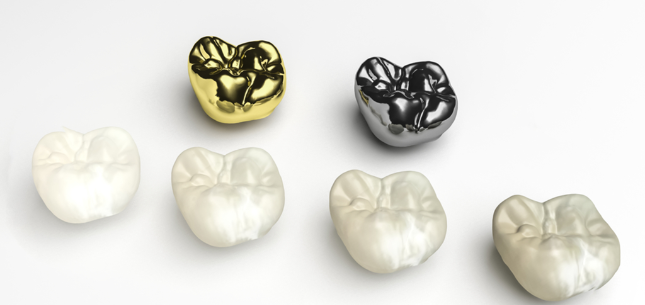
- Tooth-coloured composite fillings
- Amalgam fillings in some cases
- Glass ionomer fillings for certain teeth
- Other filling materials if needed
Each type of filling has its own benefits. Your dentist will choose the one that is most suitable for your tooth.
How Long Do Dental Fillings Last?
How long a dental filling lasts depends on a few things, such as:
- The filling you have
- How well you brush and clean your teeth
- The foods you eat
- Whether you grind your teeth
- How often you visit your dentist
Regular dental checkups help a dentist near you check your fillings for any signs of wear or damage and see if they need to be replaced.
How Can You Help Prevent Future Cavities?
Preventing cavities is one of the best ways to reduce the need for future dental fillings.
Helpful habits include:
- Brush twice each day with fluoride toothpaste.
- Clean between your teeth daily.
- Limit sugary snacks and drinks.
- Drink water throughout the day.
- Visit a dentist in Brampton for regular dental examinations.
- Follow personalized oral hygiene recommendations.
Daily care and preventive visits work together to support long-term oral health.
Take the First Step Toward Restoring Your Tooth!
Have you been experiencing tooth sensitivity, noticed a cavity, or think one of your teeth may need treatment? A timely dental examination can help identify the problem, discuss the most appropriate treatment options, and prevent minor decay from becoming more serious. Book an appointment with Fletchers Creek Dental to receive personalized dental care, professional guidance, and the support needed to keep your smile healthy and strong.
FAQs
Can a dental filling stop a cavity from getting worse?
Yes. A dental filling removes the decayed part of the tooth and fills the space. This helps stop the cavity from getting bigger. Treating a cavity early may also help you avoid more complex dental treatment later.
Is it better to treat a small cavity right away?
Yes. It is usually better to treat a small cavity early because less of the tooth is damaged. Early treatment can help save more of your natural tooth and lower the chance of bigger dental problems later.
Can an old dental filling be replaced?
Yes. Dental fillings can wear out, crack, or become loose over time. During your regular dental checkups, your dentist will examine your fillings and tell you if they need to be replaced.
Will I be able to eat normally after getting a dental filling?
Your dentist will let you know when it is safe to eat after treatment. In many cases, patients can return to their usual diet once the filling has fully set and any numbness has worn off.