It can be really annoying to maintain good oral hygiene every day and still learn from your dentist in Brampton that you have tooth decay. Although brushing is crucial, it is only one aspect of keeping your dental health at its best, and hidden issues can easily evade your regular regimen. Your teeth can be shielded from further harm by proactively addressing the underlying issues.
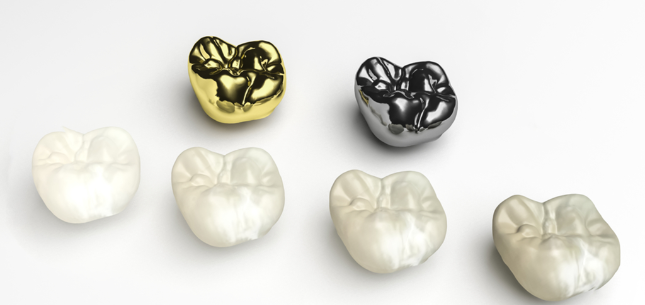
Many people question why they get cavities even when they brush their teeth every day. Breaking the cycle of recurrent cavities requires an understanding of the underlying causes of dental decay. Over time, your enamel may be quietly eroded by things like modest dietary habits, bacteria concealed between teeth, and decreased salivary flow. If damage has already been done, your tooth’s strength and functionality can be promptly restored with high-quality dental fillings in Brampton.
Why Cavities Develop Despite Regular Brushing
Brushing your teeth twice a day is a great habit, but several hidden factors can still contribute to cavity formation:
- Missed Areas Between Teeth: The small gaps between your teeth are difficult for regular toothbrush bristles to reach. If you don’t floss every day, bacteria and plaque build up in these areas and cause decay.
- Brushing Method and Timing: Using a worn-out toothbrush, brushing right after eating acidic foods, or brushing too quickly can all erode enamel or leave behind tenacious plaque.
- Dietary habits: Consuming sugary or acidic meals and beverages on a regular basis feeds your mouth’s natural bacteria, which causes acid attacks that gradually erode enamel.
- Dry Mouth (Xerostomia): Saliva is essential for removing food particles and neutralising toxic acids. Your teeth are far more susceptible to decay when there is less salivation.
- Ignoring Preventive Dental Visits: Routine examinations detect early signs of decay before they become serious issues, and professional cleanings remove hardened tartar that ordinary brushing cannot touch.
When Do You Need Dental Fillings?
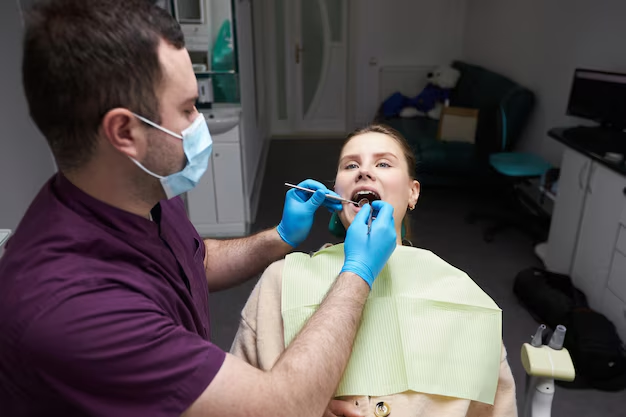
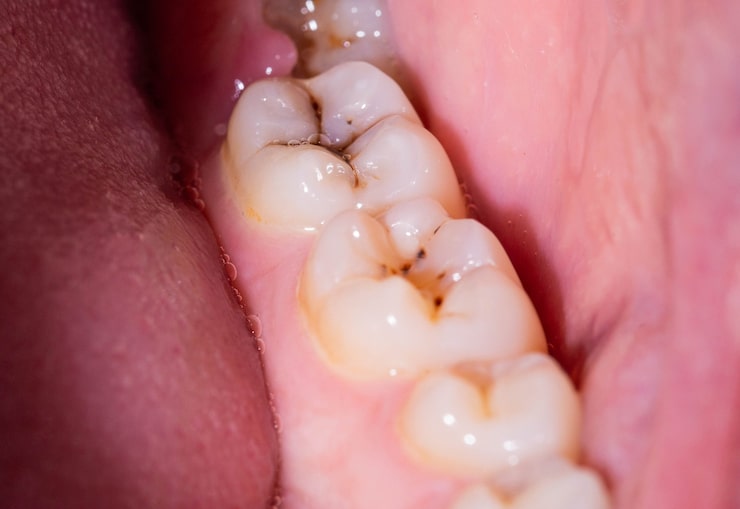
A permanent cavity develops when bacteria pierce the outer layer of enamel and reach the underlying dentin, necessitating examination by a qualified dentist in Brampton. Brushing is no longer able to stop the degradation at this point.
If you have noticeable dark stains, severe discomfort when biting, or persistent sensitivity to hot, cold, or sweet foods, you could need a dental filling. In order to stop additional damage and safeguard your general oral health, a professional filling from a reputable dentist near you removes the decayed structure and closes the area.
Keep Your Smile Healthy with Fletchers Creek Dental
We can assist you if you have recurrent dental deterioration or are looking for professional care nearby. Our committed staff at Fletchers Creek Dental provides thorough examinations, all-encompassing preventive care, and gentle treatments to maintain your smile pain-free and healthy.
Make an appointment for your consultation with us right now, whether you require a basic examination or are searching for trustworthy dental fillings!
Frequently Asked Questions
Can I fix a small cavity just by brushing better?
It is impossible to remove a physical hole or cavity that has formed in the enamel. Nevertheless, fluoride can occasionally remineralise extremely early-stage enamel weakening (demineralisation) before a complete cavity forms.
How often should I get professional dental cleanings?
Most individuals should schedule a professional cleaning and exam every six months. If you are prone to frequent cavities or gum issues, your dentist may recommend more frequent visits.
Does drinking water help prevent cavities?
Yes! Drinking plenty of water, especially fluoridated water, helps wash away food particles, stimulates saliva production, and neutralizes cavity-causing acids in the mouth.
Are some people naturally more prone to cavities?
Yes. Even with regular brushing practices, some people are more prone to tooth decay due to genetic influences on saliva composition, tooth shape, and enamel thickness.