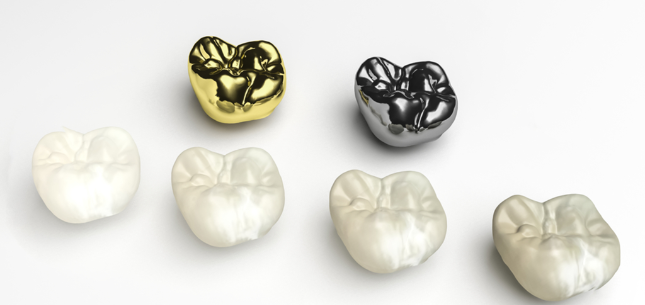

A painful or sensitive tooth can make it hard to eat, drink, or sleep. Sometimes, the pain may be caused by an infection or damage inside the tooth. Root canal treatment in Brampton may be needed when the soft tissue inside a tooth becomes infected or inflamed. Noticing the signs early may help prevent the problem from getting worse. However, not every toothache needs a root canal. A dental checkup can help identify the cause of the pain and determine the right treatment.
Understanding the common symptoms, possible benefits, and treatment process can make it easier to know when to seek dental care.
What Is a Root Canal?
A root canal is a dental treatment used to remove infected or badly inflamed tissue from inside a tooth. The space is then cleaned, filled, and sealed to help protect the tooth.
This treatment may be considered when the inside of the tooth has been affected by:
- Deep tooth decay
- A crack or injury
- Repeated dental treatment
- An infection that has reached the inner part of the tooth
The goal is to treat the source of the problem while keeping the natural tooth in place when possible.
Signs You May Need a Root Canal
Tooth pain can have many causes, but certain symptoms may indicate that the inside of a tooth needs attention. Some of the common signs you need a root canal include:
- Pain when chewing or biting
- Sensitivity to heat or cold that lasts after the source is removed
- A deep or constant toothache
- Swelling around the affected tooth
- Tender or swollen gums
- A small bump on the gum near the tooth
- Tooth discolouration
- Pain that spreads toward the jaw or nearby areas
Symptoms can vary. Some infected teeth may cause little or no pain, which is why regular dental examinations remain important.
When Tooth Sensitivity May Be a Concern
Brief sensitivity does not always mean a root canal is required. A tooth may become sensitive due to worn enamel, exposed tooth roots, decay, or other factors.
However, sensitivity that is strong, repeated, or persists after exposure to hot or cold may require further evaluation. A dentist in Brampton can assess the tooth and may use dental X-rays or other tests to identify the source of the problem.
How Infection Can Affect a Tooth
When bacteria reach the inside of a tooth through decay, cracks, or damage, the tissue inside can become swollen or infected. Without treatment, the infection may spread to the tissues around the tooth.
Possible signs of infection may include:
- Swelling near the tooth or jaw
- Gum tenderness
- A pimple-like bump on the gum
- A bad taste or drainage
- Fever in some cases
These symptoms should not be ignored. Prompt dental care can help determine what treatment is needed.
What to Expect During Root Canal Treatment
The exact steps may vary depending on the tooth and the problem. In general, root canal treatment includes these steps:
- Examination: The dentist checks the tooth to find the cause of the pain or infection.
- Numbing: The area is numbed with a local anesthetic before treatment.
- Cleaning: The infected or damaged tissue is removed from inside the tooth.
- Filling: The space is cleaned and sealed.
- Restoration: A filling or crown may be placed to repair and protect the tooth, depending on its condition.
Following the recommended restoration is important because a treated tooth may need additional protection.
What Are the Benefits of Root Canal Treatment
When a tooth can be saved, treatment may provide several benefits. The benefits of root canal treatment can include:
- Helping remove infected tissue
- Relieving pain caused by inflammation or infection
- Keeping the natural tooth in place
- Supporting normal chewing
- Helping prevent the need to remove the affected tooth
The outcome depends on the condition of the tooth and how it responds to treatment. A dental assessment at a dental clinic near you is needed to determine whether a root canal is appropriate.
Get the Right Care for Your Tooth Pain!
Ongoing tooth pain, sensitivity, or swelling can be a sign that a tooth needs professional attention. At Fletchers Creek Dental, a dental assessment can help identify the cause of the discomfort and whether the tooth may need root canal treatment or another form of care. Book an appointment to have your symptoms evaluated, discuss your treatment options, and learn the next steps to protect your affected tooth and maintain your oral health.
FAQs
Does a root canal hurt?
The area is numbed with local anesthetic during the treatment. You may have some soreness afterward, but this can vary depending on the condition of the tooth and the treatment you need.
How long does root canal treatment take?
The appointment length depends on factors such as which tooth is being treated and the extent of the infection or damage. Some cases may require more than one appointment.
Can a tooth need a root canal without causing pain?
Yes. Some teeth with infection or internal damage may cause few noticeable symptoms. Dental examinations and X-rays can help identify problems that are not causing obvious pain.
Is a crown always needed after a root canal?
Not always. The need for a crown depends on the tooth, how much healthy structure remains, and how much protection is needed after treatment.