How do I know if I need a dental crown instead of a filling? A dental crown may be necessary when a tooth has lost too much of its natural structure to support another filling. Large cavities, cracks, worn-down teeth, and previous root canal treatment can all weaken a tooth. Recognizing these signs early can help prevent further damage and protect your natural tooth.If your tooth has extensive damage, dental crowns in Brampton may provide the strength and protection it needs. While a filling works well for smaller areas of decay, a crown covers the entire visible portion of the tooth to restore its shape, strength, and function.
What Is the Difference Between a Filling and a Dental Crown?
A dental filling repairs a small or moderate area of damage, while a crown covers the entire visible part of the tooth.
During a filling procedure, the dentist removes the decayed portion and fills the space with restorative material. However, when a cavity or fracture affects a large part of the tooth, the remaining structure may become too weak to withstand everyday chewing pressure.
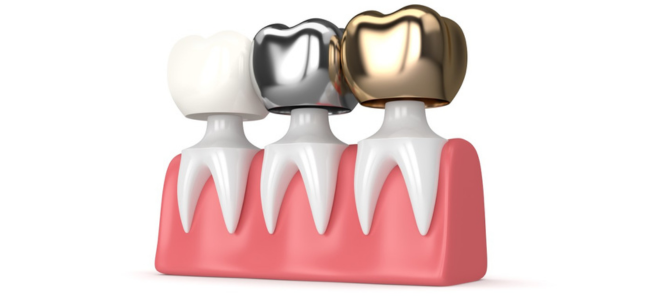
The dental crown near you acts like a protective cap around the tooth. It is commonly made from porcelain, ceramic, or other durable materials. Covering the weakened structure helps prevent further damage and restore normal biting function.
What Signs Suggest a Filling Won’t Be Enough?
Several warning signs may indicate that your tooth needs a crown rather than another filling:
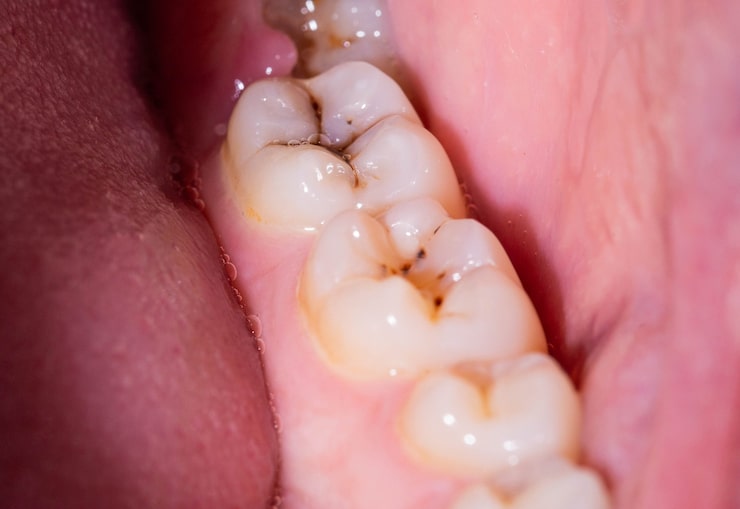
- Large cavities: Extensive decay leaves less healthy tooth structure to support a filling.
- Cracked or fractured teeth: Cracks can spread under pressure, especially when chewing.
- Previous root canal treatment: Back teeth that have undergone root canal therapy may become more vulnerable to fractures.
- Large or failing fillings: An old filling that repeatedly breaks or needs replacement may indicate that the remaining tooth is too weak.
- Severe tooth wear: Grinding or clenching can gradually wear down the tooth’s surface and weaken its structure.
Some of these problems cause sensitivity to hot, cold, or pressure, while others may not produce noticeable symptoms. If you experience any of these signs, a dentist near you can examine your tooth and determine the appropriate treatment.
How Does a Dentist Decide Between a Filling and a Crown?
Your dentist considers how much healthy tooth structure remains, where the damage is, and how much pressure the tooth experiences when you bite.
For example, a small chip on a front tooth may only require a filling. However, a molar with extensive decay or a large existing restoration may need a crown for better support.
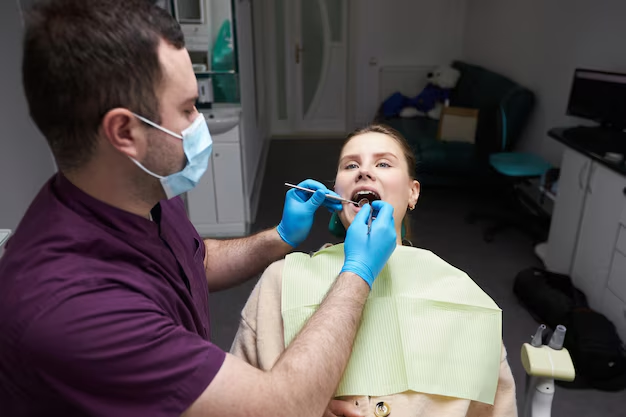
When visiting a Dentist in Brampton, your assessment may include a visual examination, dental X-rays, and questions about your symptoms and dental history. These help determine the extent of the damage and whether the tooth can be restored with a filling or needs full coverage.
If a crown is recommended, treatment typically involves two visits. During the first appointment, the dentist prepares the tooth and places a temporary crown. At the second visit, the dentist fits and secures the custom-made crown.
What Happens If You Delay Getting a Dental Crown?
Delaying treatment can allow an already weakened tooth to crack further or develop additional decay. A small fracture may eventually become severe enough to make the tooth difficult or impossible to restore.
In some cases, extraction may become necessary if the damage extends too far. Having your tooth assessed early can help preserve more of its natural structure and prevent the need for more complicated treatment.
Ready to Protect Your Tooth?
Don’t wait for a small dental problem to become bigger. Schedule an appointment with Fletcher’s Creek Dental to have your tooth assessed and discuss the right treatment for your smile.
FAQs
Can a tooth with a large filling still get a crown?
Yes. A dentist can remove the old filling, rebuild the remaining tooth structure if necessary, and place a crown to protect it.
Does every tooth that has had a root canal need a crown?
No. Back teeth often benefit from crowns because they handle greater chewing forces. Some front teeth may not require one, depending on how much natural structure remains.
How long does a dental crown last?
With proper brushing, flossing, and regular dental checkups, a dental crown can last many years. Grinding, biting hard objects, and poor oral hygiene may shorten its lifespan.
Can a dental crown prevent a cracked tooth from getting worse?
A crown can help hold a weakened or cracked tooth together and reduce the risk of further damage. However, treatment depends on the crack’s location and severity.