There is no single interval that suits everyone. If you’re wondering how often you should get a dental cleaning, six months is common, but some people need shorter or longer intervals based on gum health, plaque and tartar buildup, cavity risk, and dental history. A dentist considers inflammation, dry mouth, prior periodontal treatment, and the effectiveness of daily cleaning at removing plaque.
Regular reviews help keep preventive care appropriate rather than automatic. The schedule should reflect current oral health needs and can change as your health, home care techniques, or risk factors change over time, rather than following a fixed schedule for everyone or every age group.
What Does a Professional Cleaning Address?
Teeth cleaning in Brampton can remove hardened plaque deposits that daily brushing and interdental cleaning cannot reliably clear. The cleaning approach depends on gum health and whether deposits are present above or below the gumline.
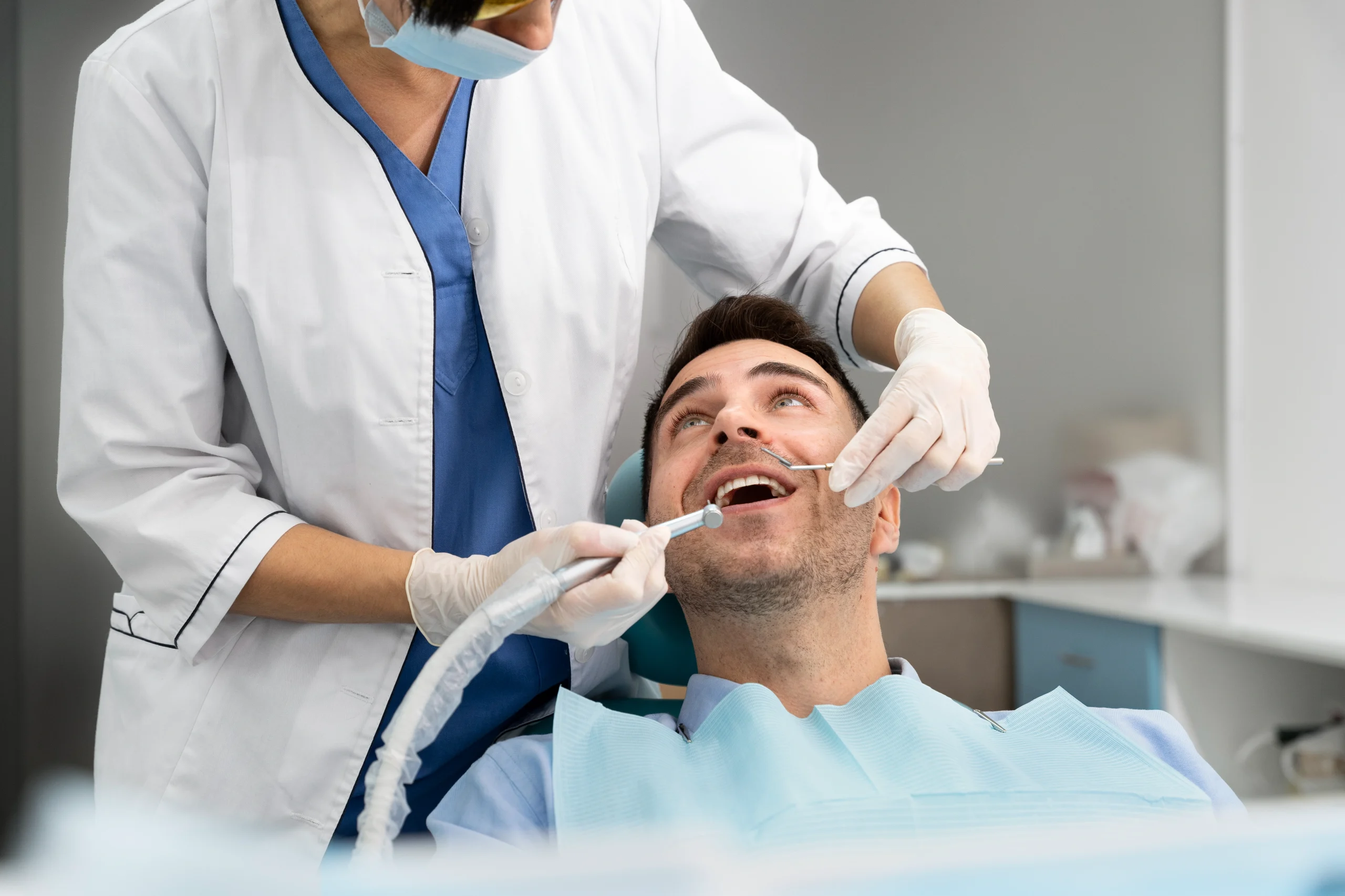
A dental cleaning removes plaque and hardened deposits from tooth surfaces and areas that are difficult to reach with a toothbrush. Depending on gum health, the hygienist may clean above or below the gumline. Polishing may also remove some surface staining, although it does not change the natural colour of the teeth.
A cleaning is different from an examination. The dentist checks the teeth, gums, bite, and oral tissues for signs of disease or other changes. Both services may take place during a single visit, but they serve different purposes.
Why Might Someone Need More Frequent Cleanings?
People with active periodontal disease or a history of gum problems may need periodontal maintenance more often than twice a year. More frequent visits may also be considered when plaque and calculus build up quickly or when other factors increase the oral health risk.
Factors that can influence the interval include:
- Gum Health: Bleeding, pocketing, recession, or previous periodontal treatment may require closer monitoring.
- Plaque and Tartar Buildup: Some people accumulate deposits more quickly than others.
- Cavity Risk: A history of decay or dry mouth may affect preventive planning.
- Dental Appliances: Braces, bridges, and implants can create areas that need extra attention.
- Smoking and Home Care: Tobacco use and difficulty cleaning thoroughly can affect gum health.
A dentist in Brampton can assess gum inflammation, existing periodontal concerns, dry mouth, and the effectiveness of daily cleaning at removing plaque. These findings help determine whether a shorter recall interval would be useful.
Can You Wait Longer if Your Gums Do Not Bleed?
Not necessarily. Gum disease can be present without obvious bleeding, and the absence of pain does not confirm that the gums are healthy. A dentist or hygienist may need to measure gum pockets and assess bone support to better understand the condition.
When Should You Book Earlier Than Planned?
A teeth cleaning near you should be timed based on current gum measurements, deposit buildup, and individual risk factors. Do not wait for the next routine visit if you develop persistent bleeding, swelling, tenderness, or a sore area that does not settle.
Arrange an earlier assessment for persistent bleeding, swelling, tenderness, changes in how your teeth fit, or a sore area that does not settle. A cleaning may not be enough if periodontal or restorative treatment is needed.
How to Set Cleaning Interval?
A dentist near you can review gum measurements, cleaning habits, and health changes, then explain whether the recall interval should be shorter, longer, or unchanged.
The recommended interval can be adjusted as your oral health changes. Someone who has improved gum health may eventually need a different maintenance schedule, while a new risk factor may call for closer monitoring.
The decision should follow clinical findings rather than personal preference alone. People who have difficulty reaching the back teeth may also benefit from targeted cleaning instruction between visits. A different interval may be recommended after periodontal treatment or when gum measurements change.
Set a Cleaning Schedule That Fits Your Oral Health
A cleaning schedule should reflect the health of your gums and teeth, not simply the date of your last visit. Regular reviews help keep preventive care appropriate as your needs change.
Schedule a consultation with Fletcher’s Creek Dental to review your gum health and set a cleaning schedule that reflects your needs. A personalised recall plan can support healthier gums and more consistent care.
FAQs
Does a professional cleaning whiten teeth?
A cleaning can remove plaque, tartar, and some external stains, which may make teeth look cleaner. It does not bleach the natural tooth shade. Whitening is a separate cosmetic procedure and should be considered after the dentist has assessed the condition of the teeth and gums.
Are professional cleanings safe for dental implants?
Professional cleaning is important around implants, but the instruments and technique may differ from those used on natural teeth. The hygienist considers the implant surface and restoration design when selecting tools. Tell the practice about implants before the appointment. Tell the hygienist about any recent changes.
Can a dental cleaning loosen a filling?
A routine cleaning should not loosen a sound filling. However, it may reveal that an existing restoration is already worn, cracked, or loose. If a filling feels different after a visit, have it checked rather than assuming the cleaning caused the problem.
Should I eat before a routine cleaning?
A standard cleaning generally does not require fasting. You may prefer to eat beforehand and brush your teeth, but follow any instructions if the visit includes another procedure or sedation. Tell the hygienist if you have a medical reason that affects eating.